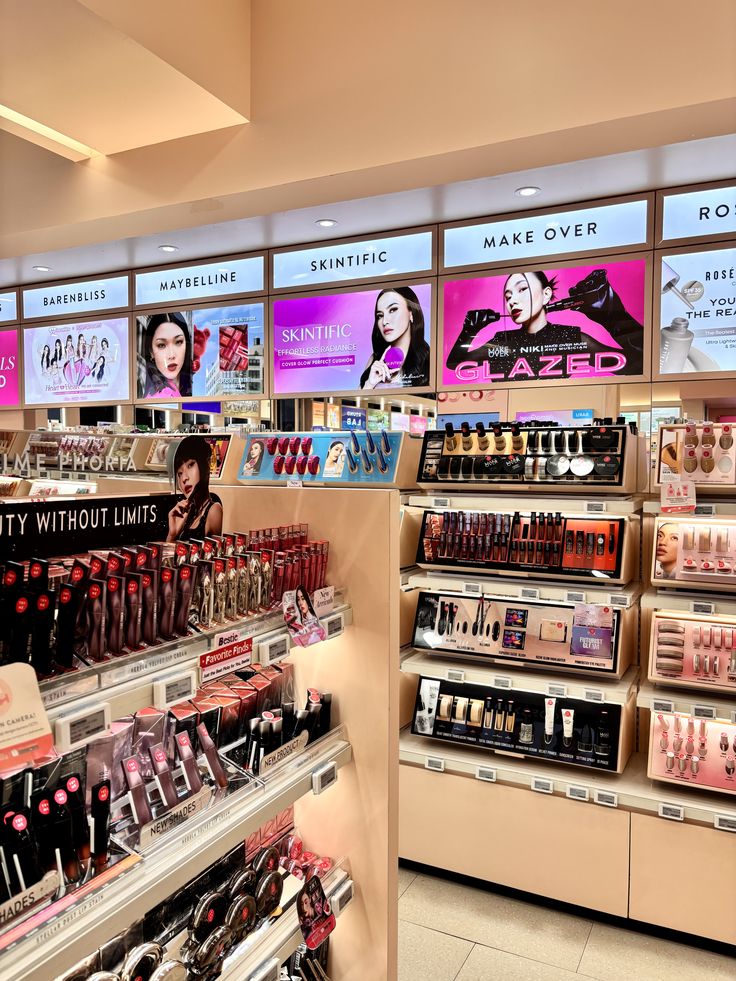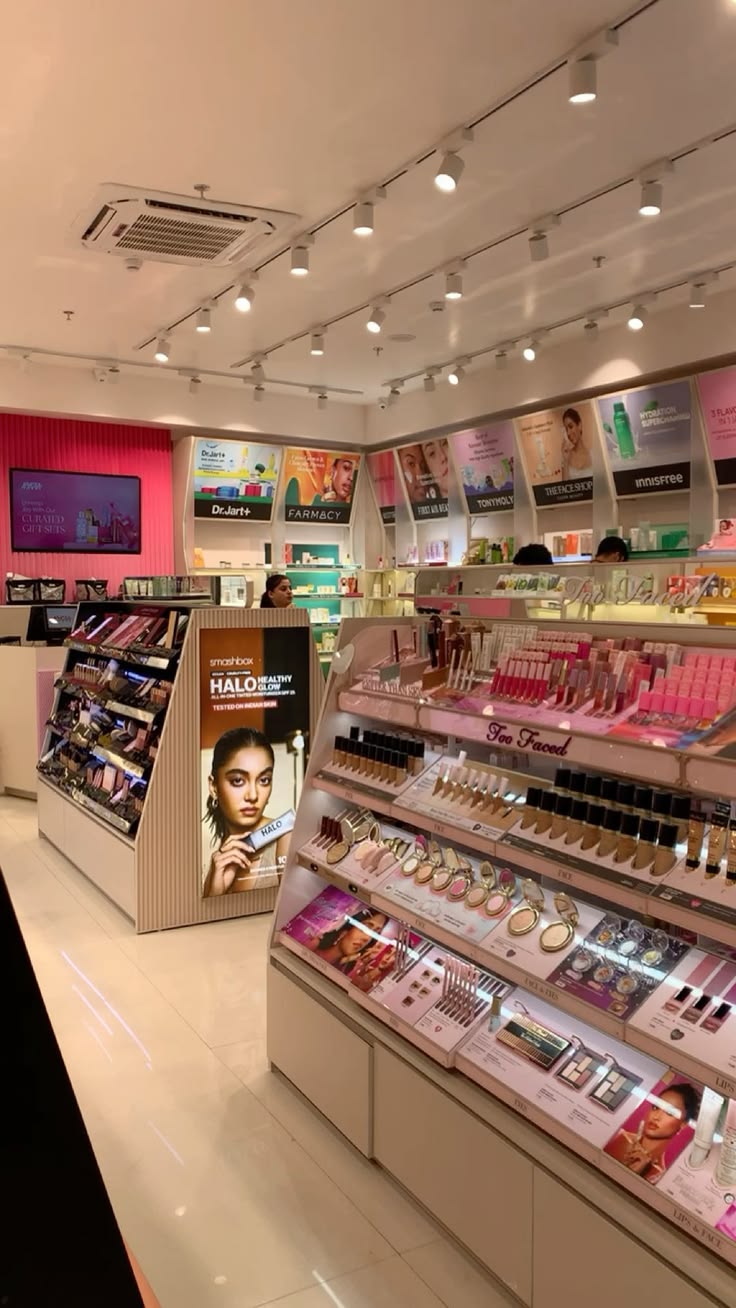
Wholesale Cosmetics Suppliers for Online Stores: 7 Options for 2026
Finding wholesale cosmetics suppliers for an online store requires a different approach from sourcing for a physical beauty shop.
An e-commerce business needs more than attractive wholesale prices. You also need reliable stock information, products that can be reordered, clear online resale permissions, suitable invoices, manageable minimum orders and shipping that will not destroy your margins.
If you sell through Amazon, eBay, Walmart Marketplace, TikTok Shop or another marketplace, supplier documentation and brand restrictions become even more important.
This guide compares wholesale beauty suppliers that work with online retailers and explains what to check before adding their products to your store.
Last reviewed: August 2026. Supplier minimums, product availability, marketplace policies and account requirements can change. Confirm the current terms directly with each supplier before ordering.
Wholesale Cosmetics Suppliers for Online Stores: Quick Comparison
| Supplier | Best For | Online Selling Advantage | Published Entry Requirement |
|---|---|---|---|
| Qogita | UK and European multi-brand retailers | Live wholesale catalogue, multiple suppliers and marketplace invoice information | Supplier minimums vary; some start around €500 |
| Connect Beauty | Amazon, eBay and independent online cosmetics stores | Marketplace-ready invoices and regularly updated inventory | £1,000 + VAT minimum order |
| Cosmetic Plus | Online beauty and fragrance retailers | Live B2B portal plus dropshipping for qualifying accounts | No minimum order advertised |
| Wholesale Cosmetics | Smaller online makeup stores | No formal wholesale account required and marketplace-useful invoices | £75 + VAT UK / £350 outside UK |
| StyleKorean Wholesale | Korean beauty online stores | Large K-beauty catalogue and dedicated wholesale programme | Wholesale application and approval |
| Q-Depot | Established or specialist K-beauty retailers | Hundreds of Korean brands with international B2B shipping | Minimum order amount varies by brand |
| BigBuy | European dropshipping and multi-category e-commerce stores | Dropshipping, stock feeds and e-commerce integrations | Depends on purchasing and service model |
What Makes a Cosmetics Supplier Good for an Online Store?
A supplier that works well for a physical shop is not automatically suitable for e-commerce.
Online retailers should prioritise suppliers that provide:
- Reliable product availability
- Products that can be reordered
- Clear SKU, barcode or EAN information
- Accurate product descriptions
- Good-quality product images where usage is permitted
- Professional business invoices
- Clear marketplace resale rules
- Reasonable minimum orders
- Predictable dispatch times
- Product authenticity and traceability
- Inventory feeds or integrations where needed
- A clear claims process for damaged or incorrect products
Do not choose a wholesaler simply because the products appear cheap. For an online store, inconsistent stock and poor documentation can create more problems than a slightly higher purchase price.
For a broader supplier-selection process, read How to Find Cosmetic Suppliers for a Small Business.
Wholesale Cosmetics Suppliers for Online Retailers
1. Qogita
Best for: UK and European beauty retailers that want access to many established brands without managing dozens of separate supplier relationships.
Qogita is a B2B health and beauty marketplace that combines offers from hundreds of wholesalers, distributors and brands into one searchable catalogue.
Its beauty categories include:
- Makeup
- Skincare
- Haircare
- Fragrance
- Korean beauty
- Professional salon products
- Body care
- Personal care
One of Qogita's main advantages for e-commerce businesses is the ability to compare live offers for the same product instead of manually requesting price lists from multiple wholesalers.
The platform also provides information about whether marketplace-compatible invoices are available for individual supplier offers.
Advantages for online stores:
- Access to hundreds of suppliers through one account
- Large catalogue of established beauty brands
- Live product and availability information
- No minimum quantity requirement for individual GTINs on selected purchasing routes
- Relatively accessible supplier minimum order values
- Marketplace invoice information
- Useful for testing individual products before expanding the order
- Products from vetted suppliers
Considerations:
- Minimum order values can vary by supplier.
- One order may be fulfilled by several suppliers.
- Shipments may arrive separately.
- Brand availability and prices can change quickly.
- A suitable supplier invoice does not automatically guarantee approval to sell a brand on a marketplace.
2. Connect Beauty
Best for: Amazon sellers, eBay sellers and established online cosmetics retailers in the UK and Europe.
Connect Beauty specialises in branded makeup from names including Maybelline, L'Oréal, NYX and Rimmel.
The company specifically serves online retailers and marketplace sellers and states that its invoices are accepted by platforms including Amazon and eBay.
Its catalogue contains more than 2,000 beauty SKUs, with trade prices available after account access.
Advantages for online stores:
- Designed for B2B cosmetics buyers
- Works specifically with online retailers and marketplace sellers
- Amazon and eBay invoice support
- Daily price-list updates
- Fast UK dispatch
- Branded makeup catalogue
- Business support team
Considerations:
- The current published minimum order is £1,000 + VAT.
- Products are generally purchased in full case quantities.
- Some inventory may be opportunity or changing stock.
- Marketplace rules should still be checked for each individual brand.
- The minimum may be too high for a very small startup.
This supplier is more suitable for a retailer that already has some sales history than someone testing cosmetics with a very small opening budget.
3. Cosmetic Plus
Best for: Online retailers selling branded fragrance, cosmetics, skincare and professional haircare.
Cosmetic Plus operates a UK B2B trading platform supplying retailers, wholesalers and e-commerce businesses.
Its online trade portal provides live stock and wholesale pricing, allowing approved buyers to order directly instead of relying on emailed price lists.
The company currently advertises no minimum order for ordinary wholesale purchases.
It also offers dropshipping to qualifying established trade accounts.
Advantages for online stores:
- No standard minimum order advertised
- Live B2B portal
- Designer fragrance and beauty products
- Skincare and professional haircare
- Dropshipping available for qualifying accounts
- Plain-packaging fulfilment for dropship orders
- New inventory added regularly
- UK warehouse
Considerations:
- A trade account must be approved before accessing wholesale pricing.
- Dropshipping is intended for established accounts rather than automatically available to every new buyer.
- Clearance or opportunity stock may not be consistently reorderable.
- Individual brands may have marketplace restrictions.
- Dropshipping margins should be calculated separately from bulk wholesale margins.
4. Wholesale Cosmetics
Best for: Smaller online makeup stores that want branded cosmetics without a complicated wholesale application.
Wholesale Cosmetics is a UK-based makeup and skincare wholesaler that has operated since 1998.
The company supplies market traders, independent retailers and online sellers internationally.
You do not need to register for an account before purchasing, although creating an account makes repeat ordering easier.
Its current minimum order is considerably lower than many traditional cosmetics distributors.
Published minimums:
- UK orders: £75 + VAT
- Orders outside the UK: £350
Advantages for online stores:
- Low entry point for UK buyers
- No formal account approval required to purchase
- Branded makeup and skincare
- Worldwide delivery
- EAN numbers shown for products
- Unit and pack pricing
- Invoices advertised as suitable for Amazon
- Useful for testing a small online cosmetics range
Considerations:
- Many products are sold in fixed packs.
- Inventory can include discontinued or clearance lines.
- Exact shades may not always be reorderable.
- Check remaining shelf life where relevant.
- Verify individual brand marketplace rules before listing products.
Get the Free Beauty Supplier Vetting Checklist
Use this checklist before opening a wholesale account or uploading a supplier's products to your online store.
- ✓ Supplier verification questions
- ✓ Marketplace permission checks
- ✓ MOQ and case-pack questions
- ✓ Authenticity and invoice checks
- ✓ Shipping and payment questions
- ✓ Supplier warning signs
5. StyleKorean Wholesale
Best for: Online retailers building a Korean skincare and cosmetics store.
StyleKorean operates a dedicated B2B wholesale programme for companies, individual businesses and shop owners.
Its wholesale catalogue includes more than 400 Korean beauty brands and thousands of products.
Businesses must submit a wholesale application before receiving access to trade pricing.
During the approval process, StyleKorean reviews information including:
- The brands you are interested in
- Your distribution channel
- Your business concept
- Your planned wholesale activity
Advantages for online stores:
- Large specialist K-beauty catalogue
- Hundreds of Korean brands
- Dedicated wholesale system
- Suitable for new and established K-beauty businesses
- International wholesale experience
- Strong inventory infrastructure
- Useful for businesses building a specialist niche
Considerations:
- Wholesale account approval is required.
- The business and sales channel are reviewed.
- Wholesale prices are hidden until approval.
- International shipping and import costs must be calculated separately.
- Individual K-beauty brands may have territory restrictions.
For more Korean suppliers, read Korean Beauty Wholesale Suppliers.
6. Q-Depot
Best for: Online K-beauty retailers that need a wider brand selection and are comfortable with brand-specific minimum order amounts.
Q-Depot is an international Korean beauty wholesaler serving business buyers across numerous countries.
The platform offers hundreds of Korean, Japanese and selected international beauty brands.
Unlike wholesalers using one minimum for the complete order, Q-Depot commonly sets minimum order amounts at brand level.
For example, current published brand minimums can vary significantly depending on the brand.
Advantages for online stores:
- Large Korean beauty catalogue
- Hundreds of brands
- Ships internationally
- Brand-specific minimum information available
- Certificate of Origin available on request for qualifying orders
- Suitable for specialist K-beauty stores
- Business-focused wholesale platform
Considerations:
- Minimum order amounts are frequently set separately for each brand.
- Popular brands may require a larger initial investment.
- Shipping from South Korea needs to be added to your landed cost.
- Import duties and local cosmetics requirements vary by destination.
- Building a multi-brand order can require substantially more capital than the minimum shown for one brand.
7. BigBuy
Best for: European e-commerce stores that want cosmetics alongside other product categories or prefer a dropshipping model.
BigBuy is a European wholesale and dropshipping platform rather than a specialist beauty-only distributor.
Its catalogue includes cosmetics, skincare, fragrance, haircare, personal care and beauty accessories alongside thousands of other retail products.
The platform is particularly relevant to online stores because it offers e-commerce and marketplace technology in addition to physical products.
Advantages for online stores:
- European warehouse stock
- Wholesale and dropshipping models
- Single-unit fulfilment options
- E-commerce integrations
- Marketplace integrations
- Inventory synchronization tools
- European delivery infrastructure
- Useful for multi-category online stores
Considerations:
- It is not a dedicated beauty specialist.
- Some services require paid plans.
- Dropshipping usually produces lower margins than buying larger wholesale quantities.
- Product availability can change.
- Brand resale and marketplace permissions still need verification.
Which Supplier Model Is Best for Your Online Beauty Store?
| Your Business Model | Supplier Type to Consider |
|---|---|
| Small independent cosmetics website | Low-minimum traditional wholesaler |
| Amazon or eBay beauty seller | Supplier with suitable invoices and clear marketplace policies |
| Korean skincare website | Specialist K-beauty distributor |
| Dropshipping beauty store | Supplier with direct-to-customer fulfilment and inventory feeds |
| Multi-brand European beauty store | B2B marketplace such as Qogita |
| Store wanting its own brand | Private label manufacturer rather than a traditional wholesaler |
Wholesale vs Dropshipping Cosmetics
| Traditional Wholesale | Dropshipping |
|---|---|
| You purchase inventory before selling it. | The supplier holds the inventory. |
| You control your packaging and fulfilment. | The supplier normally fulfils the customer's order. |
| Unit costs are often lower. | Unit costs can be higher. |
| You need storage space. | Little or no inventory storage is required. |
| You can inspect products before sending them. | You have less control over the fulfilment experience. |
| Stock creates financial risk. | Inventory risk is reduced. |
| Greater potential margin when products sell well. | Lower startup investment but potentially tighter margins. |
Dropshipping can be useful for testing demand, but it should not automatically be considered safer or more profitable.
You still need to check supplier reliability, customer-delivery times, returns, stock synchronization, packaging and product compliance.
What to Check Before Listing a Supplier's Cosmetics Online
1. Can You Legally Resell the Brand Online?
Buying a genuine product does not automatically mean every sales channel is permitted by the brand or supplier.
Ask whether you can sell through:
- Your own website
- Amazon
- eBay
- TikTok Shop
- Walmart Marketplace
- Etsy where relevant
- Other country-specific marketplaces
2. Will the Supplier Provide Proper Invoices?
Marketplaces can request invoices when verifying authenticity, investigating intellectual-property complaints or approving restricted products.
Your invoice should clearly identify:
- The supplier
- Your business
- The products purchased
- Quantities
- Transaction date
- Relevant business information
Never assume that a simple payment receipt will satisfy a marketplace verification request.
3. Are Products Consistently Reorderable?
An online store can lose search rankings, customer reviews and advertising momentum when popular products suddenly disappear.
Ask whether the supplier is offering:
- Regular inventory
- Clearance stock
- Discontinued products
- Parallel-trade inventory
- One-time opportunity stock
One-off deals can be profitable, but they should not form the foundation of a store that depends on consistent product listings.
4. Does the Supplier Provide Barcodes?
EAN, UPC and GTIN information can be particularly useful for online stores.
Correct product codes help with:
- Inventory management
- Marketplace listings
- Product matching
- Warehouse systems
- Reordering
- Reducing listing errors
5. Can You Use the Supplier's Product Images?
Do not automatically download supplier or brand photographs and assume they can be used commercially.
Ask whether product images, descriptions and marketing assets can be used on your website.
Where possible, create some of your own photographs and content. Original images can also make your store less dependent on the same generic material used by dozens of competing retailers.
6. How Frequently Is Inventory Updated?
This becomes particularly important when you list hundreds of products.
A good e-commerce supplier may provide:
- Live inventory
- CSV stock files
- XML feeds
- API access
- Automated integrations
- Regular stock spreadsheets
Without reliable stock information, you risk selling products that the supplier no longer has available.
Product Feeds, APIs and Inventory Synchronization Explained
Small online stores often begin by manually adding products. As the catalogue grows, manual stock management becomes difficult.
| System | What It Does |
|---|---|
| CSV feed | Provides product and inventory information in a spreadsheet-style file. |
| XML feed | Allows structured product information to be imported into compatible systems. |
| API | Allows your store or software to communicate directly with the supplier's system. |
| Inventory sync | Updates stock availability automatically. |
| Price sync | Updates supplier pricing when costs change. |
| Order automation | Sends customer orders to the supplier or fulfilment system automatically. |
You do not necessarily need an API when launching with 20 products. But it becomes much more valuable when managing hundreds or thousands of SKUs.
Issy's Sourcing Tip
For an online store, I would choose a slightly more expensive supplier with dependable inventory over a cheaper supplier whose products disappear every few weeks.
When a product starts performing well online, you may have advertising, reviews, SEO rankings and repeat customers attached to that listing. Losing the product can cost far more than the few dollars you saved on the original wholesale price.
How to Calculate Whether a Wholesale Product Is Profitable Online
Do not calculate profit using the wholesale price and retail price alone.
Your online selling cost can include:
- Wholesale product cost
- Shipping from the supplier
- Import duties
- Taxes
- Payment-processing fees
- Marketplace commission
- Fulfilment fees
- Storage fees
- Customer delivery
- Returns
- Packaging
- Advertising
- Discounts and promotions
A product purchased for $5 and sold for $15 does not automatically produce a $10 profit.
Calculate the complete cost before deciding whether a product deserves space in your store.
How Many Products Should a New Online Cosmetics Store Start With?
You do not need hundreds of SKUs to launch a credible beauty store.
A focused catalogue can be easier to market and manage.
Instead of buying random products across every beauty category, build your first range around a specific customer or buying problem.
Examples include:
- Affordable everyday makeup
- Korean skincare
- Products for deeper skin tones
- Professional haircare
- Lip products
- Vegan and cruelty-free cosmetics
- Textured-hair products
- Acne-focused skincare
- Beauty products under a particular price point
Once you identify what customers are buying, expand around the successful products rather than adding inventory simply to make the website look larger.
Wholesale Cosmetics vs Private Label for an Online Store
| Wholesale Cosmetics | Private Label Cosmetics |
|---|---|
| Sell existing brands | Products carry your own brand |
| Quicker to launch | More preparation required |
| Customers may already search for the brand | You must create product demand |
| Compete with retailers selling identical products | Less direct product-price comparison |
| Supplier availability controls inventory | You plan production with a manufacturer |
| Less product-development responsibility | Greater responsibility for product, packaging and compliance |
Many successful beauty retailers eventually use both models.
You might begin by reselling established products, identify the categories customers repeatedly buy, and then introduce your own private label product into a proven category.
Read Wholesale vs Private Label Cosmetics for a deeper comparison.
Common Mistakes Online Beauty Stores Make When Choosing Suppliers
- Choosing suppliers based only on unit price
- Not checking whether marketplace selling is permitted
- Assuming every invoice will satisfy Amazon or another platform
- Building the store around clearance products that cannot be reordered
- Adding hundreds of products before testing demand
- Ignoring case-pack quantities
- Not calculating shipping into product margins
- Using supplier images without confirming permission
- Failing to monitor expiry and shelf-life information
- Depending on one supplier for every important product
- Not testing the supplier with a manageable first order
- Using dropshipping without testing the customer experience
- Ignoring stock synchronization
- Listing products before confirming documentation
Should an Online Cosmetics Store Have More Than One Supplier?
Usually, yes.
Depending completely on one supplier creates unnecessary risk.
A supplier can:
- Increase prices
- Lose distribution rights
- Run out of popular inventory
- Change its minimum order
- Stop shipping to your country
- Change payment terms
- Close unexpectedly
I normally prefer a primary supplier and at least one alternative source for the products that are most important to a business.
You do not necessarily need to order from both suppliers at the same time. The purpose of the backup supplier is to avoid beginning your research from zero when something changes.
Frequently Asked Questions
Where can I buy cosmetics wholesale for an online store?
You can buy through direct beauty distributors, B2B marketplaces, specialist brand distributors, Korean beauty wholesalers and approved dropshipping suppliers. The right option depends on your country, budget and sales platform.
Can I buy wholesale cosmetics and sell them on my own website?
Often yes, but check the supplier and brand's resale terms. Some professional or prestige brands restrict online selling even when the products are genuine.
Can I sell wholesale cosmetics on Amazon?
Only when the products, supplier documentation and brand rules meet Amazon's requirements. Purchasing from a wholesaler does not automatically guarantee approval to list a brand.
What is the best cosmetics wholesaler for a beginner?
Look for manageable minimum orders, reliable inventory, good documentation and products suited to your target customer rather than selecting one supplier solely because it advertises low prices.
Can I dropship cosmetics?
Yes. Some wholesale companies offer dropshipping, but check delivery times, margins, packaging, product information, returns and inventory synchronization before using the model.
Do cosmetics suppliers provide product images?
Many do, particularly suppliers supporting e-commerce retailers. Confirm that you have permission to use the images commercially.
How do I know whether wholesale cosmetics are authentic?
Research the supplier's business details, ask about its supply chain, check whether it is an authorized distributor where relevant and retain complete invoices for your purchases.
Should I buy clearance cosmetics for my online store?
Clearance products can offer good margins, but they may be discontinued or difficult to reorder. They are generally better used as opportunistic inventory than as the foundation of your store.
How much should I spend on my first wholesale cosmetics order?
There is no universal amount. Start with a budget that allows you to test customer demand without tying most of your available cash into inventory.
Beauty Business Resources
Continue building your online beauty business with these guides and supplier resources:
- Beauty & Cosmetics Business Hub – Supplier resources, sourcing guidance and business tools.
- Beauty Supplier Intelligence Hub
- Wholesale Beauty and Cosmetics Suppliers That Ship Worldwide
- Wholesale Makeup Suppliers With Low Minimum Orders
- Wholesale Skincare Suppliers for Small Businesses
- Korean Beauty Wholesale Suppliers
- How to Open a Wholesale Cosmetics Account
- Do You Need a Resale Certificate to Buy Wholesale Cosmetics?
- How to Start a Cosmetics Reselling Business
- How to Find Cosmetic Suppliers for a Small Business
Need Suppliers Matched to Your Online Store?
A supplier can be legitimate and still be completely unsuitable for your online business because of its minimum order, location, product range, marketplace rules or shipping costs.
Use the Beauty Supplier Intelligence Hub to independently browse and compare beauty wholesalers, distributors and private label manufacturers.
Need Me to Research the Suppliers for You?
The Personalized Supplier Match is researched around your specific products, budget, target market, preferred minimum order and shipping destination.
Price: $97
Start Your Personalized Supplier MatchFinal Thoughts
The best wholesale cosmetics supplier for an online store is not necessarily the supplier offering the lowest price.
Online retailers need inventory they can reliably list, document, sell and reorder. Supplier invoices, stock availability, product codes, marketplace permissions and shipping reliability can matter just as much as the wholesale discount.
Start with a focused product range and a manageable order. Test the complete supplier experience before increasing your investment.
As your store grows, build backup supplier relationships around your bestselling products so one inventory problem does not disrupt the entire business.