Wholesale vs Private Label Cosmetics: Which Is Better in 2026?
If you’re planning to start or grow a beauty business, one of the first (and most confusing) decisions you’ll face is this:
Should you sell wholesale cosmetics or create your own private label brand?
Both models work. Both can be profitable.
But they are very different in terms of cost, risk, control, and long-term growth.
This guide breaks it all down — without hype — so you can choose the best option for your stage, budget, and goals in 2026
What Is Wholesale Cosmetics?
Wholesale cosmetics means buying ready-made beauty products in bulk from a distributor or supplier and reselling them under the original brand name.
Typical wholesale products include:
Skincare (cleansers, serums, creams)
Makeup (lipsticks, foundations, palettes)
Haircare (shampoos, treatments, styling products)
Beauty tools & accessories
How it works:
You choose products from a supplier’s catalog
You meet their minimum order quantity (MOQ)
You resell online, in-store, or via marketplaces
Why many beginners start here
Wholesale is often the fastest and least complicated way to start selling.
What Is Private Label Cosmetics?
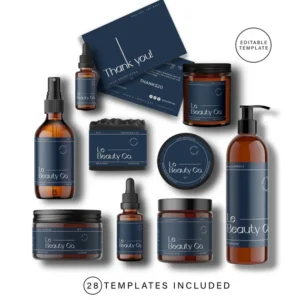
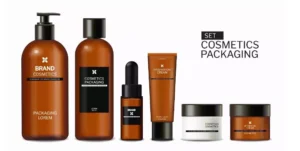
Private label cosmetics means selling beauty products under your own brand name, even though a manufacturer produces them for you.
You typically control:
Brand name & logo
Packaging design
Product naming
Sometimes formula tweaks (depending on MOQ)
How it works:
You choose a base product from a manufacturer
Customize branding (and sometimes formulation)
Order in bulk
Sell as your own brand
Private label is ideal if you want to build a long-term brand, not just resell products.
Wholesale vs Private Label Cosmetics: Side-by-Side Comparison
| Feature | Wholesale Cosmetics | Private Label Cosmetics |
|---|---|---|
| Startup cost | Low to medium | Medium to high |
| MOQs | Usually lower | Usually higher |
| Branding control | None | Full or partial |
| Speed to market | Fast | Slower |
| Profit margins | Moderate | Higher (long term) |
| Compliance complexity | Lower | Higher |
| Best for | Beginners | Brand builders |
Startup Costs: Which Is Cheaper?
Wholesale Cosmetics
Lower upfront investment
Easier to test multiple products
Less risk if products don’t sell
Typical beginner budget:
Low hundreds to a few thousand USD
Private Label Cosmetics
Branding & packaging costs
Higher MOQs
Sampling and revisions
Typical beginner budget:
Several thousand USD (varies widely by product)
👉 If budget is tight, wholesale is usually the smarter starting point.
MOQs Explained (This Trips Up Many Beginners)
Wholesale MOQs
Often low
Sometimes negotiable
Depends on brand popularity
Private Label MOQs
Higher by default
Increase with customization
Lower MOQs can be a red flag for quality
Real talk:
Ultra-low MOQs in private label often mean:
Limited compliance support
Generic formulas
Poor long-term scalability
Branding & Control: Where Private Label Wins
Wholesale products:
Look the same as competitors
Compete mainly on price and marketing
Private label products:
Build brand recognition
Allow premium pricing
Create customer loyalty
If your goal is:
Influencer brand
DTC skincare line
Long-term brand equity
👉 Private label is the better path
Compliance & Legal Responsibility (Very Important)
This is where many beauty founders get stuck.
Wholesale Cosmetics
Compliance is often handled by the brand
You still need to ensure products are legal to sell in your country
Private Label Cosmetics
YOU are legally responsible
Certifications, safety assessments, labeling accuracy
Country-specific requirements (FDA, CPNP, etc.)
If compliance feels overwhelming:
Start with wholesale
Or work with manufacturers experienced in your target market
Profit Margins: Which Makes More Money?
Wholesale
Lower margins
Higher volume strategy
Easier to scale short-term
Private Label
Higher margins over time
Stronger brand value
Slower but more sustainable growth
There is no “better” — only what fits your stage.
My Honest Recommendation (From Real Sourcing Experience)
Here’s what I’ve seen work repeatedly:
✅ Start with wholesale if:
You’re new to beauty
You want to test demand
You’re working with limited capital
You want faster cash flow
✅ Choose private label if:
You already understand your market
You want brand ownership
You can handle compliance properly
You’re thinking long-term
Many successful founders do both:
Start with wholesale
Transition to private label later
So… Which Should YOU Choose?
Ask yourself:
Do I want speed or brand control?
Do I have the budget for private label?
Am I ready to handle compliance?
Is this a side business or a long-term brand?
There is no wrong answer — only a strategic one.
Want Help Choosing the Right Path?
If you don’t want to guess:
I’ve curated verified wholesale beauty suppliers
I also guide founders sourcing private label manufacturers
👉 Explore the Beauty & Cosmetics Suppliers Directory
👉 Or request personalized sourcing support
Your Next Step
Ready to start selling without feeling awkward?
You don’t have to stress about what to post — or struggle to look professional online.
📌 Upgrade Your Content: Get my Instagram Product Templates for E-commerce and start posting scroll-stopping visuals today.
👉 Grab Templates Here →
📌 Source With Confidence: Find products your audience actually wants to see on TikTok & Instagram with my Cosmetics Wholesalers List — 150+ vetted suppliers worldwide.
👉 Get the Supplier List
📌 Stay Ahead of the Trends: Join my weekly newsletter for beauty business owners — get supplier updates, marketing tips, and sales strategies straight to your inbox.
👉 Sign Up Here →