Walmart Pallet Auctions vs Liquidation Stores: What’s Better for Beginners?
When I first started learning about liquidation, I had no idea where to begin—should I buy Walmart pallets through online auctions, or walk into a liquidation store and start small?
If you’re in the same place, this article is for you. I’ll walk you through the pros and cons of each method, especially from the eyes of a beginner reseller or small business owner. And yes—I’ve personally done both.
Let’s dive in.
🛒 What Are Walmart Pallet Auctions?
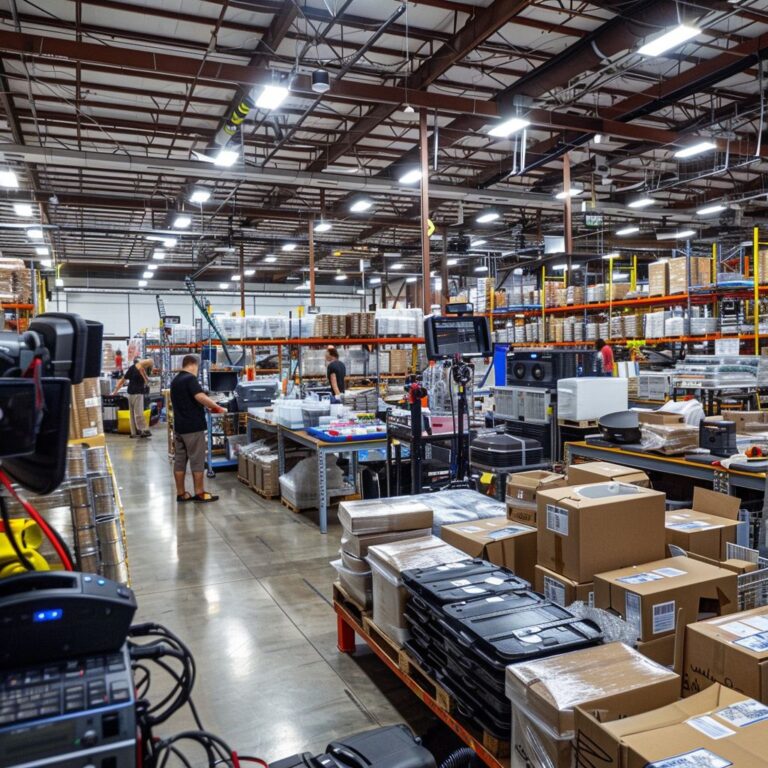
Walmart pallet auctions are online platforms (like B-Stock, Direct Liquidation, or Liquidity Services) where you can bid on or buy pallets of returned, overstock, or shelf-pulled Walmart items.
These pallets are often unmanifested (you don’t fully know what’s inside), and sold in bulk to resellers or liquidation buyers.
🧱 What Is a Walmart Liquidation Store?
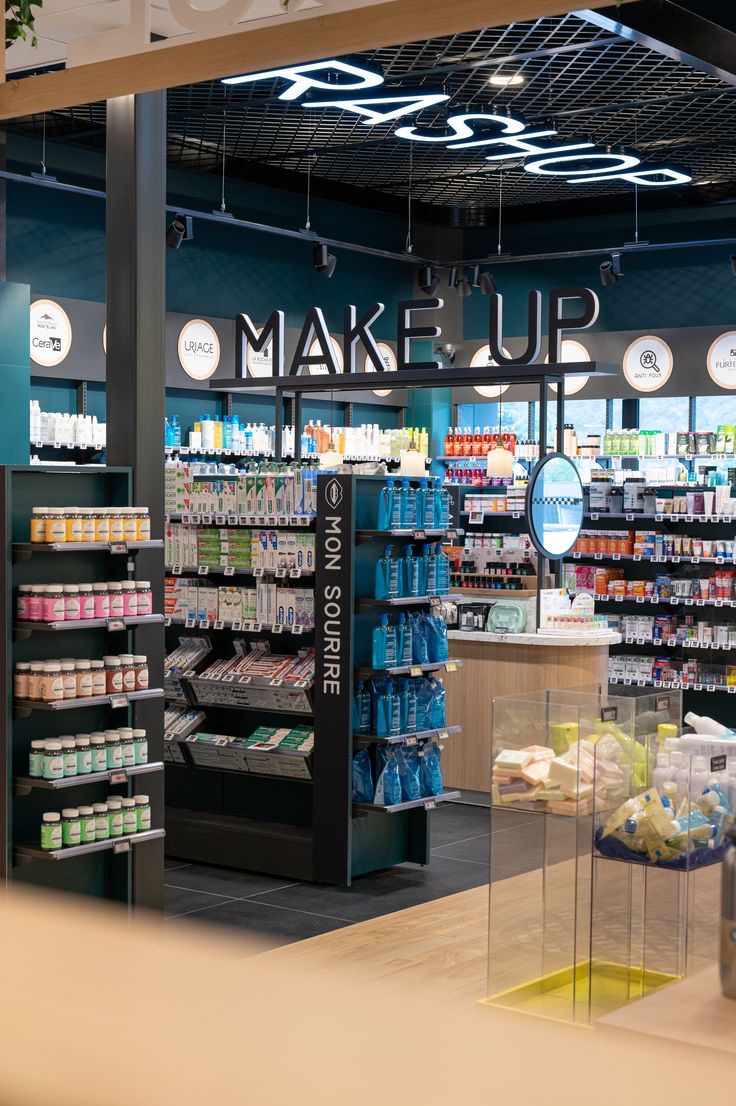
Liquidation stores are physical retail shops that buy those same Walmart pallets (often in bulk truckloads), sort the items, and sell them individually or in bins at deep discounts.
Instead of buying a whole pallet, you can hand-pick individual items and pay a much lower upfront cost.
💡 Auction vs. Store: Key Differences
| Feature | Walmart Pallet Auctions | Walmart Liquidation Stores |
|---|---|---|
| 📦 Quantity | Full pallets or truckloads | Individual items |
| 🎯 Risk | Higher (blind lots, untested returns) | Lower (inspect before you buy) |
| 💰 Cost | High upfront cost (shipping + pallet) | Low-cost testing inventory |
| 🌍 Location | Online, ships to you | Physical store near you |
| 🔄 Returns | Usually no returns | Some allow exchanges or store credit |
| ⏱️ Time to Start | Slower (bidding, shipping) | Immediate sourcing possible |
🧑💼 Which Is Better for Beginners?
✅ Start With Liquidation Stores If:
You’re testing the waters
You don’t have warehouse space yet
You want to inspect items before buying
You only have $50–$300 to invest
From my personal experience, I recommend liquidation stores as your first step. You’ll learn how to spot what sells, understand condition grades, and build confidence—without blowing your budget.
📌 I tell my students this all the time:
“Start with $100 at a bin store. Turn it into $300. Then level up to pallets later.”
Join The Liquidation Insider
— Free Weekly Auction Alerts & Supplier Updates
Every week, I share verified liquidation websites, pallet auctions (including Costco, Walmart, and Target), and expert bidding tips — straight from real sourcing experience.
🟨 Move to Pallet Auctions If:
You’ve already sold a few items successfully
You want more inventory in one go
You’re ready to deal with returns, testing, or refurbishing
You have space for receiving and sorting pallets
Pallet auctions have a higher learning curve—but they also offer greater volume and margins once you know what you’re doing.
🧠 My Advice: Use Both Strategically
Here’s what’s worked for me and many of the resellers I help:
🔁 Use liquidation stores to flip low-cost inventory fast on local platforms like Facebook Marketplace
🧪 Build capital and product knowledge
🚛 Then graduate to pallets when you’re ready to handle returns, customer service, and shipping logistics
🛍️ Want to Skip the Guesswork?
I’ve compiled a list of Walmart pallet sellers and trusted liquidation stores (USA-based and international-friendly) in my:
👉 Premium Liquidation Directory
This includes:
Verified Walmart resellers
Pallet sellers with clear manifests
Stores that export
Beginner-friendly options with low MOQs
🤝 Need 1-on-1 Help?
If you’re still unsure or want a personalized recommendation:
🎯 Try my Supplier Sourcing Match Service
You’ll get:
A supplier list customized to your country and budget
Tips on what to sell first
A roadmap to scale your resale business
🧭 Final Thoughts
Here’s the truth: both Walmart auctions and liquidation stores have potential.
The key is knowing where you are in your resale journey.
✅ Liquidation stores = better for learning and starting small
✅ Pallet auctions = better for scaling after experience
Whether you’re flipping items on Facebook or building a boutique from scratch, start smart—then grow fast.