5 Reasons Cosmetics is the Perfect Product to Resell Online in 2026
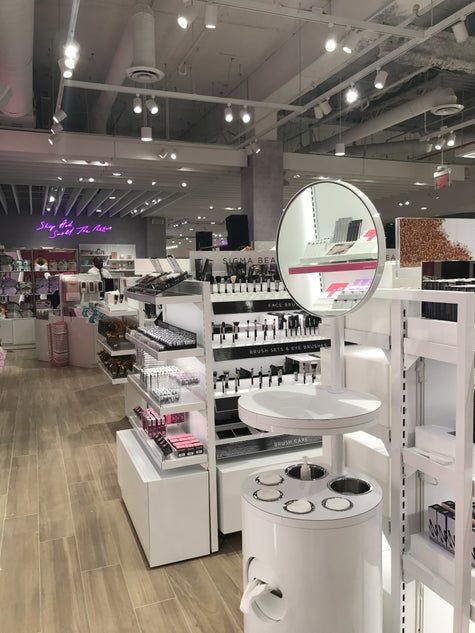
Why Choose Cosmetics Over Other Products?
If you’ve been researching products to sell online, you’ve probably come across clothing, electronics, and home decor as common suggestions. But cosmetics has something those categories often lack:
fast-moving products, loyal customers, and endless social media buzz.
In this article, I’ll show you why beauty is one of the most profitable and beginner-friendly niches for reselling — and how you can start.
Is Reselling Cosmetics Still Profitable in 2026?
Reselling cosmetics can still be profitable, but success depends on choosing the right products, suppliers, sales channels, and pricing strategy.
The strongest opportunities are usually not found by stocking hundreds of random beauty products. Small retailers often perform better when they focus on a specific customer and build a carefully selected product range.
Examples of focused cosmetics resale businesses include:
- Korean skincare stores
- Professional makeup retailers
- Natural and vegan beauty stores
- Affordable lip product boutiques
- Salon and haircare suppliers
- Beauty stores serving deeper skin tones
If you are still planning your business model, read this complete guide on how to start a cosmetics reselling business.
Wholesale Cosmetics Reselling at a Glance
| Question | What to Know |
|---|---|
| Can you start online? | Yes. You can sell through your own store, social media, marketplaces or live shopping. |
| Do you need your own formula? | No. Resellers purchase existing products from wholesalers or distributors. |
| How much inventory should you start with? | Begin with a focused test order instead of a large catalogue. |
| What affects profit? | Wholesale cost, shipping, payment fees, packaging and customer acquisition. |
| Can you add private label later? | Yes. Many retailers introduce their own product after learning what customers buy. |
1. The Demand Never Stops
Beauty isn’t seasonal — people use cosmetics year-round.
Unlike trendy gadgets that peak for a few months, skincare and makeup are daily essentials for millions of people.
Think about it:
Someone runs out of their favorite lipstick — they buy another.
They discover a new viral mascara — they add it to cart.
They try a skincare serum that works — they stock up before it sells out.
💡 This is called a “repeat purchase cycle” — and it’s gold for resellers because the same customer can buy from you multiple times a year.
2. Small, Lightweight & Easy to Ship
If you’ve ever tried shipping heavy or bulky products, you know how quickly costs can eat into your profits.
Cosmetics are:
Compact
Lightweight
Easy to package safely
This means you can ship domestically or internationally without crazy courier fees — and even offer free or low-cost delivery to your customers.
3. Huge Social Media Influence
Beauty trends move at lightning speed thanks to TikTok, Instagram, and YouTube.
A single influencer review can turn a product into a bestseller overnight.
As a reseller, you can:
Watch trends daily (search “#TikTokMadeMeBuyIt” in the beauty category).
Jump on viral products before the market is flooded.
Post your own quick demo videos to ride the hype wave.
📌 Pro Tip: Focus on products that are already trending rather than trying to create demand from scratch.
Get the Free Beauty Supplier Vetting Checklist
Use this checklist before opening a wholesale account or paying a cosmetics supplier.
- ✓ Supplier verification questions
- ✓ MOQ and pricing checks
- ✓ Product authenticity checks
- ✓ Shipping and payment questions
- ✓ Warning signs to watch for
What Cosmetics Should You Resell First?
The best products for your store depend on your target customer, but beginners should usually prioritize products that are affordable, easy to demonstrate, and suitable for repeat purchases.
- Lip gloss and lip oils
- Mascaras and eyeliners
- Makeup brushes and beauty tools
- Cleansers and moisturizers
- Sheet masks and skincare minis
- Haircare and styling products
- False eyelashes
- Beauty accessories
Avoid ordering too many variations at the beginning. A smaller, focused assortment makes it easier to identify your actual bestsellers.
Issy’s Sourcing Tip
Before expanding your inventory, look at what customers are repeatedly asking for and what they add to their baskets without much persuasion. Products that already sell consistently are often the safest categories to expand or eventually replace with private label.
4. High-Profit Margins
Wholesale cosmetics often have margins of 100% to 300% — meaning you can double or triple your investment. Access Free Calculator
Example:
Wholesale price: $4
Packaging: $1
Selling price: $15–$20
Even after factoring in delivery or discounts, you’re still left with a healthy profit.
💡 Some resellers even add extra margin by creating bundles, e.g., Lipstick + Liner sets or Skincare Starter Packs.
5. Endless Niche Opportunities
The beauty industry isn’t one-size-fits-all — you can carve out your own corner:
Vegan & cruelty-free cosmetics
Organic skincare
Men’s grooming
Luxury makeup brands
Affordable everyday beauty
By picking a niche, you’ll attract a loyal audience who sees you as their go-to store for exactly what they need.
Wholesale Reselling vs Private Label Cosmetics
Reselling established beauty brands is often easier for beginners because the products already have packaging, formulas and brand recognition.
Private label requires more branding and supplier coordination, but it gives you greater control over pricing, positioning and customer loyalty.
| Wholesale Reselling | Private Label |
|---|---|
| Sell existing beauty brands | Sell products under your own brand |
| Faster to launch | Longer preparation period |
| Lower branding responsibility | Full control over branding |
| Customers may compare prices elsewhere | Your product can be exclusive to your store |
| Useful for testing demand | Useful for building long-term brand value |
For a complete comparison, read Wholesale vs Private Label Cosmetics: Which Is Better for Your Beauty Business?
Case Study: Turning a Bestselling Resale Product Into a Private Label Opportunity
One cosmetics retailer I worked with already sold several established beauty brands. Lip glosses placed near the checkout counter consistently performed particularly well.
Instead of immediately replacing the store’s existing brands, I recommended testing one private label product line first. The client was initially worried that launching a new brand would require rebuilding customer demand from scratch.
We reduced that risk by starting with only 150 private label lip glosses. The products sold out in one weekend, produced a stronger margin than the resale products, and gave the client confidence to prepare a larger shipment.
The lesson is simple: reselling can help you understand customer behaviour before you invest in your own brand.
Common Mistakes When Reselling Cosmetics
- Buying products only because they are trending online
- Ordering large quantities before testing customer demand
- Ignoring shipping, duties and payment-processing costs
- Stocking too many unrelated product categories
- Buying branded cosmetics without checking authenticity
- Depending on only one supplier
- Competing only through low prices
- Failing to calculate the actual profit per product
Beauty Business Resources
Use these guides and sourcing resources to continue planning your cosmetics resale business.
- Beauty & Cosmetics Business Hub – Explore beauty startup guides, supplier resources and sourcing tools.
- Beauty Supplier Intelligence Hub
- Cosmetics Distributors and Wholesalers
- Wholesale Beauty and Cosmetics Suppliers
- Korean Beauty Wholesale Suppliers
- How to Find Cosmetic Suppliers for a Small Business
Your Next Step
Start by selecting one customer group, one clear beauty category, and a manageable test order. Compare suppliers using the full landed cost rather than wholesale prices alone.
You can independently browse and compare suppliers inside the Beauty Supplier Intelligence Hub.
For recommendations matched to your products, country, budget and order requirements, the Personalized Supplier Match service costs $97.