Client Case Study: How a Cosmetics Store Launched a Private Label Lip Gloss That Sold Out in One Weekend
Overview
Industry: Cosmetics Retail
Business Model: Retailing established beauty brands
Goal: Increase profit margins without taking on unnecessary risk
Result: First private label shipment of 150 lip glosses sold out in one weekend
The Challenge
A client who owned a cosmetics store reached out looking for new wholesale beauty suppliers.
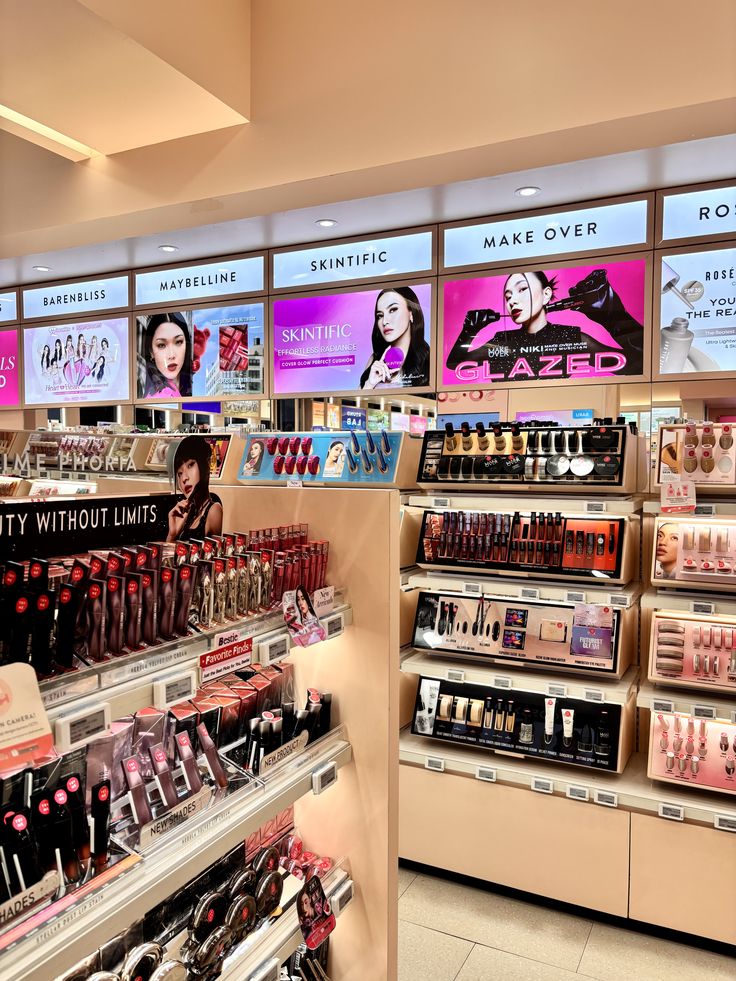
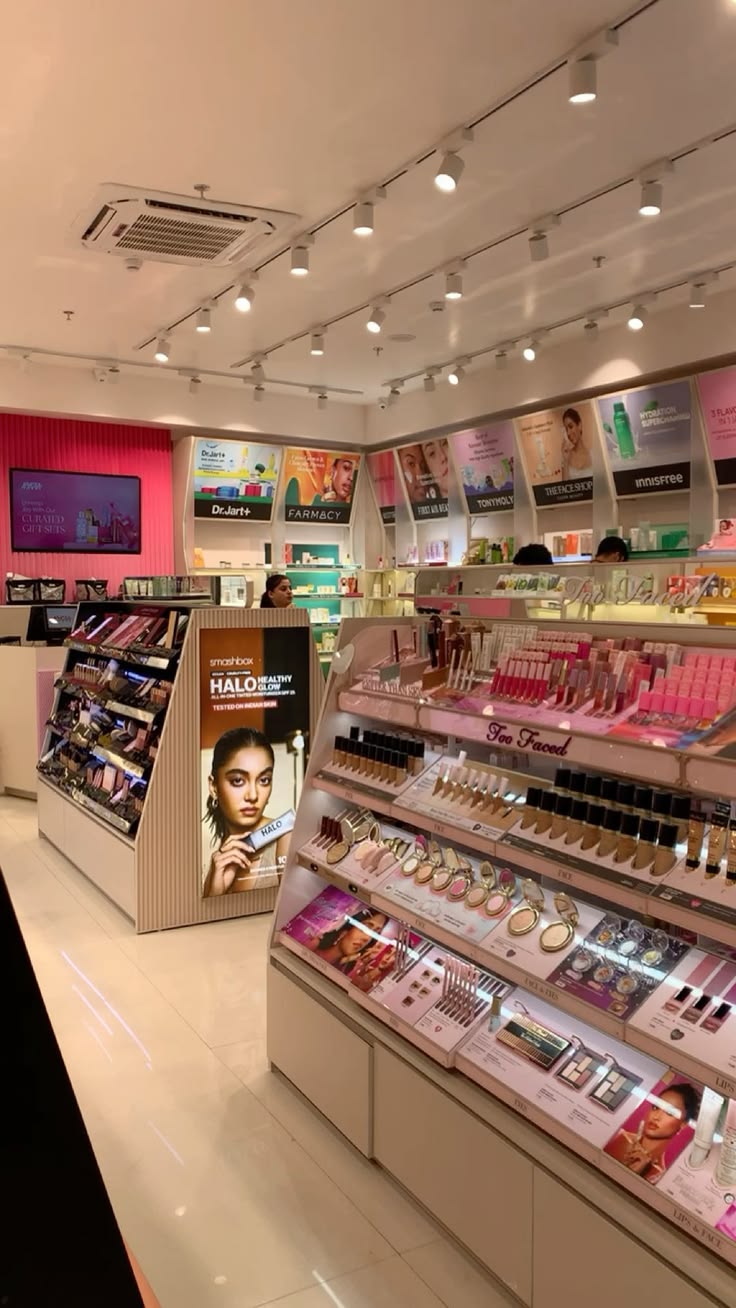
The business already stocked several well-known cosmetic brands and was performing well. During our consultation, one trend stood out immediately.
Lip glosses displayed near the checkout counter were consistently among the fastest-selling products in the store.
Customers often added one or two lip glosses to their purchase at the last minute, making them a high-volume, impulse-buy product.
The client wanted to expand this category but was initially looking for more wholesale brands to stock.
Looking Beyond Wholesale
Instead of simply recommending additional wholesale suppliers, I suggested exploring a different opportunity.
Rather than selling another company’s lip gloss, why not introduce a private label lip gloss under the store’s own brand?
The client was hesitant.
Like many first-time beauty entrepreneurs, they assumed launching a private label product meant creating an entire beauty brand from scratch with a large investment and significant risk.
The Strategy
Instead of replacing every product in the store, I recommended a much smaller first step.
Rather than changing the entire inventory, we focused on replacing just one product category: lip gloss.
This approach allowed the client to:
Continue selling their existing best-selling brands.
Test customer demand with minimal risk.
Build confidence before expanding into other products.
Learn the private label process without disrupting the business.
The goal wasn’t to build a huge product range overnight.
It was to validate demand with a single product line.
Finding the Right Manufacturer
We identified private label manufacturers that matched the client’s goals, including:
Beginner-friendly minimum order quantities.
Good product quality.
Shade options suitable for the target market.
Professional packaging options.
Responsive communication.
Once suitable suppliers were shortlisted, samples were ordered and evaluated before moving to production.
The First Order
After testing samples, the client decided to proceed with a production run of 150 private label lip glosses.
Rather than offering dozens of shades, the launch focused on a carefully selected collection that matched what customers were already buying.
The products were displayed alongside the store’s existing beauty products, making them a natural addition to the shopping experience.
The Results
The response exceeded expectations.
The entire shipment of 150 lip glosses sold out in one weekend.
The client achieved two important outcomes:
Strong customer demand for the new private label product.
Better profit margins compared to reselling established cosmetic brands.
Instead of competing solely on other brands, the business now had a product customers could only purchase from their store.
What’s Happening Next?
Following the successful launch, the client is now preparing a significantly larger production order.
The business continues to stock established beauty brands while gradually expanding its own private label collection.
Starting with one carefully selected product helped reduce risk while creating a new source of higher-margin revenue.
Key Lessons for Beauty Entrepreneurs
If you’re considering launching your own beauty brand, this case study highlights several important lessons.
1. You Don’t Need to Replace Your Entire Inventory
Many successful retailers start by introducing just one private label product while continuing to sell established brands.
2. Start With Products That Already Sell
The client didn’t guess which product might perform well.
They looked at existing sales data and built on what customers were already buying.
3. Test Before Scaling
Rather than placing a large order immediately, the client started with a manageable production run and validated customer demand first.
4. Higher Margins Can Make a Big Difference
Private label products often provide stronger profit margins because you’re building your own brand instead of selling someone else’s.
Thinking About Launching Your Own Beauty Brand?
Whether you’re planning to launch a lip gloss line, skincare products, or another beauty product, the first step is finding reliable suppliers and testing samples before investing in inventory.
Explore the Beauty Supplier Intelligence Hub
Access verified:
Wholesale beauty suppliers
Private label manufacturers
Korean beauty wholesalers
Hair suppliers
Beginner-friendly sourcing resources
Explore the Beauty Supplier Intelligence Hub
Need Personal Help Finding Suppliers?
If you’d like supplier recommendations tailored to your product, budget, and business goals, our Personalized Supplier Match service can help you identify manufacturers that fit your specific requirements.
Whether you’re launching your first beauty product or expanding an existing business, you’ll receive carefully researched supplier recommendations designed around your needs.
Start Your Personalized Supplier Match
Finally…
One of the biggest misconceptions in the beauty industry is that launching a private label product requires replacing everything you’re already doing.
This case study shows another path.
Start with a product category that already performs well, work with reliable suppliers, test the market, and expand as customer demand grows.
Sometimes, a single well-chosen product is all it takes to begin building a brand of your own.